What to pay attention to before buying a property
Buying an apartment is one of the most important financial decisions in life, and the amount of information you need to check can be confusing. Many buyers, at the moment of viewing, focus only on appearance and price, and forget to ask the key questions that can later save them thousands of euros and a lot of nerves. In this guide, we bring you everything you need to ask the seller, the agent, and yourself before signing the contract.
Why the right questions are crucial
A well-prepared buyer saves time and money and avoids hidden problems that are often discovered only after signing the contract. The right questions reveal the legal status of the property, the actual condition of the building and the apartment, as well as the realistic market value. Without them, it is easy for a buyer to pay more than the property is worth or to inherit someone else's debts.
The basic benefits of a structured approach to questions include:
- Legal security of the sale and registration of ownership.
- A realistic estimate of costs of living and maintenance after the purchase.
- A better negotiating position when discussing the price.
- Avoiding hidden defects and unpleasant surprises.
- A clear picture of the long-term value of the investment.
Questions about the legal status of the property
Before any conversation about the price, it is essential to check whether the property is legally clean. This is the most important part of the process because problems in the land registry can completely prevent registration or expose you to lawsuits. Pay special attention to the issue of condominium registration, which we cover in more detail in the article what condominium registration is and why it matters when buying an apartment.
Key questions you must ask the seller or agent:
- Is the apartment registered in the land registry and in whose name is the ownership?
- Is the apartment condominium-registered as a separate unit?
- Is there a mortgage, encumbrance, or note on the property?
- Does the apartment have a building and use permit?
- Are there any disputes with third parties or neighbors?
- Is the seller the sole owner, or are there co-owners who must give consent?
Questions about the condition of the apartment and the building
Once you have confirmed that the apartment is legally clean, it is time for a technical assessment. This part is often skipped because buyers do not want to seem "pushy", but this is exactly where the biggest costs that appear later are hidden. If you are buying an older property, be sure to read the article the difference between buying an old house and a new build, which explains exactly what to look out for.
Be sure to ask about:
- The year of construction of the building and the year of the last renovation of the facade or roof.
- The condition of the installations (electricity, water, gas, sewage, heating).
- Whether the building has an elevator and who bears the costs of its maintenance.
- Whether there is a problem with moisture, mold, or leaks through the ceiling.
- The amount of the reserve fund and whether there are debts of the previous owner.
- Whether the windows and doors are original or have been replaced.
- The energy certificate status of the apartment (energy class).
Questions about the location and neighborhood
Location is a factor you cannot change after the purchase, so it is especially important to research it thoroughly. A buyer who is moving into a neighborhood for the first time often discovers details only after a few months, and by then it is already too late. If you are interested in the most attractive zones on the Makarska Riviera, take a look at the article about the most sought-after locations for living and investment.
Practical questions about the location that are worth every euro:
- How close are public transport, schools, kindergartens, and shops?
- What is the traffic noise like at different times of day?
- Is there parking or do you have to count on street parking?
- What is the view from the apartment, and is there a risk of a new building being built in front?
- What is the structure of the neighbors (families, tourist rentals, retirees)?
- Are there any planned infrastructure projects nearby that could affect the value?
Questions about price and additional costs
The advertised price of the apartment is just the beginning of the calculation. The total costs of buying in Croatia range between 6% and 9% of the property value, which for an average apartment means several thousand euros of additional expenses. A detailed overview can be found in the article costs of buying an apartment in Croatia.
The following table shows the key financial items that need to be checked and clarified before signing the contract:
| Item |
Who pays |
Approximate amount |
Note |
| Purchase price |
Buyer |
agreed |
Room for negotiation possible |
| Agency commission |
Depends on agreement |
2% to 3% + VAT |
Sometimes paid by the seller |
| Real estate transfer tax |
Buyer |
3% of market value |
Paid to the Tax Administration |
| Notary (certification) |
Seller (as a rule) |
around €40 |
Negotiable |
| Loan solemnization |
Buyer |
depends on the amount |
Only when buying with a loan |
| Land registry entry |
Buyer |
around €40 |
Mandatory cost |
| Property valuation |
Buyer |
€200 to €300 |
Only when buying with a loan |
Be sure to ask the seller or agent:
- Is the price negotiable and what is the realistic room for reduction?
- Are the utilities and reserve fund paid up to the moment of handover?
- Who bears the notary costs and the agency commission?
- Is there any inventory (furniture, appliances) included in the price?
Questions about the buying process and handover
Even when you agree on the price, the process from signing the preliminary contract to moving into the apartment can take months. Clarify all the steps in advance so that both parties know what to expect. Good communication at this stage prevents almost all the disputes that occur in practice.
Key questions about the dynamics of the transaction:
- When is the preliminary contract signed and what amount of deposit is given?
- What is the deadline for signing the main contract?
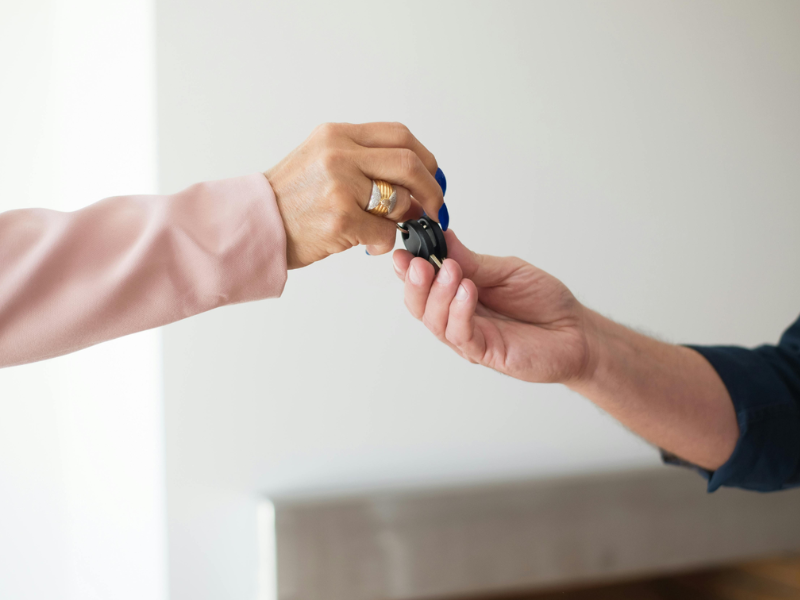
- When is the handover of the keys carried out and how will the condition of the apartment be documented in writing?
- Who is responsible for the utilities between the signing of the contract and the handover?
- Will a notary's or lawyer's escrow account be used for payment security?
- In what condition is the apartment handed over (empty, furnished, cleaned)?
Questions you should ask yourself
In addition to questions for the seller, it is equally important to honestly answer a few questions for yourself. Many buyers fall in love with an apartment at first sight and ignore the practical aspects that come back to bite them later. A realistic self-assessment will help you make a decision you will not regret.
Think about the following before making a final decision:
- Does the apartment suit my long-term needs (family, work, lifestyle)?
- Can I afford the monthly costs (utilities, reserve fund, loan)?
- Do I have a reserve for unforeseen repairs in the first year?
- Is this an investment or a home for personal use?
- How much would I realistically get for the apartment if I decided to sell it in five years?
- Have I viewed enough other options before making a decision?
Conclusion
Buying an apartment is a process that requires patience, research, and the right information. The more questions you ask before signing the contract, the lower the likelihood of unpleasant surprises after moving in. The key is in a structured approach: first the legal status, then the technical condition, then the location, and finally the financial structure. Do not hesitate to ask even seemingly "stupid" questions, because a good seller or agent will understand your caution and gladly provide answers. If you are looking for a reliable partner to guide you through the entire purchase process on the Makarska Riviera, ADRION real estate are here to help you from the first viewing to the handover of the keys.
Frequently asked questions
How much time should be set aside for viewing an apartment?
For a quality viewing of an apartment, you should count on at least 30 to 45 minutes, and ideally view the apartment twice at different times of day. The first visit serves for a general impression, and the second for a detailed check of the installations, noise, light, and all the questions that have arisen in the meantime.
Do I have to hire a lawyer or is an agent enough?
Hiring a lawyer is not legally required, but it is highly recommended, especially if you have no experience with property transactions. The real estate agency runs the process and connects the parties, while the lawyer checks the legal details and protects your interests in the contract. In many cases, the lawyer's costs are included in the agency commission.
Can I withdraw from the purchase after signing the preliminary contract?
You can, but as a rule you lose the deposit, which usually amounts to 10% of the purchase price. If the seller withdraws from the contract, they are obliged to return double the amount of the deposit. That is why it is important to sign the preliminary contract only when you are sure of your decision and have completed all the checks.
What if I discover a hidden defect after moving in?
Under the Croatian Civil Obligations Act, the seller is liable for hidden defects that the buyer could not have discovered through a usual inspection. The deadline for reporting is limited, so it is important to check all installations and the condition of the apartment immediately after moving in, and to notify the seller in writing of any defects.
Is it more worthwhile to buy a new build or an older apartment?
The answer depends on your priorities and budget. New builds offer higher energy efficiency, warranties, and less worry about maintenance, while older apartments usually have a better location and a lower price per square meter. You can find a detailed comparison in the article the difference between buying an old house and a new build.